A crochet bandana is one of those satisfying projects that feels useful right away. It is small enough to finish without dragging on, but it still gives you plenty of room to play with stitch texture, edging, ties, and color. I picked eight different crochet bandana tutorials from eight different websites so you get a real mix of styles: granny, patchwork, picot texture, linen stitch, and soft vintage looks. These are good for stash use, quick gifts, summer accessories, and beginner practice. Pick the one that matches your yarn and mood, then save the rest for later.
Crochet Granny Stripe Bandana
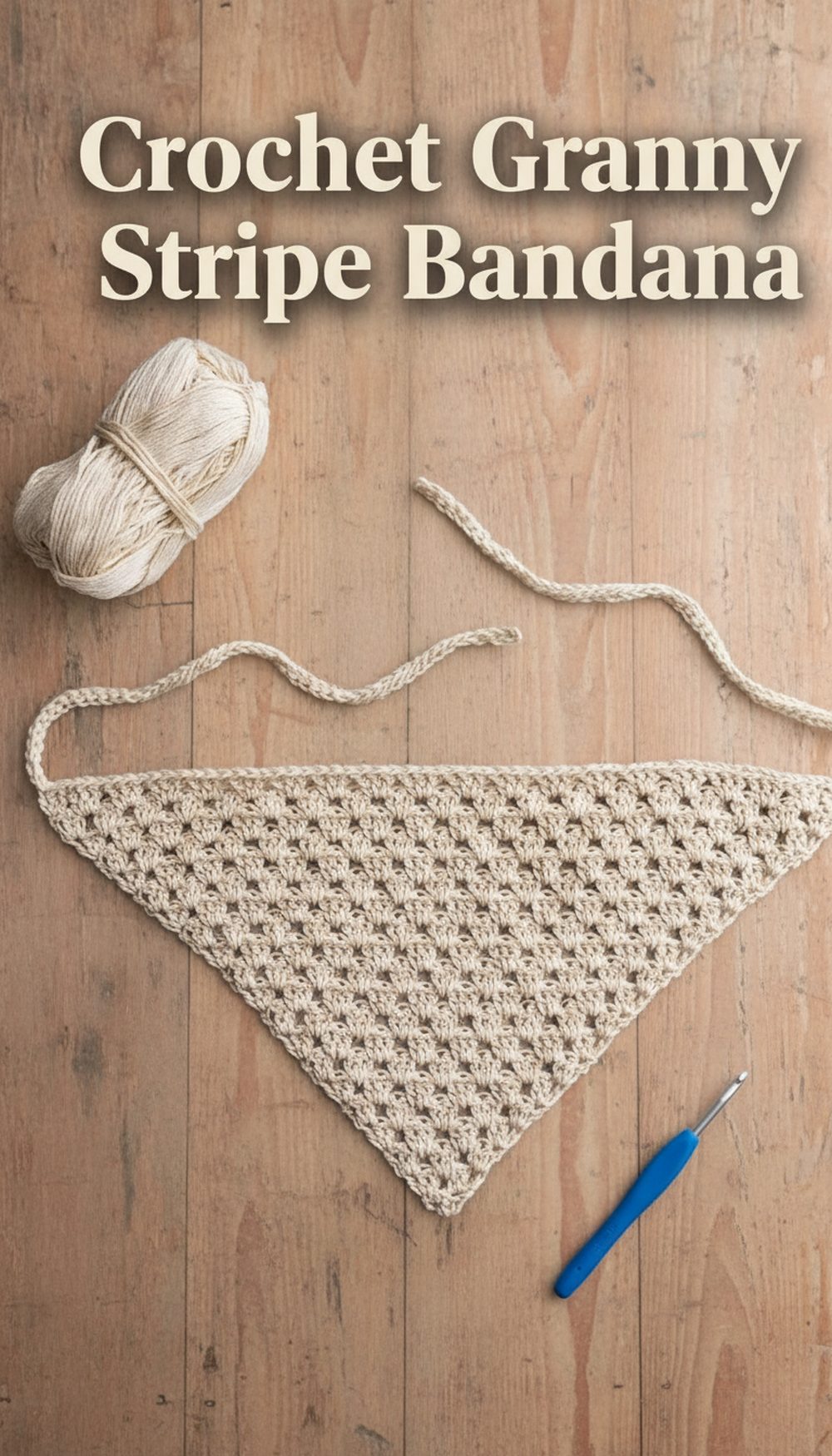
This crochet granny stripe bandana is the easiest place to start if you want a clean, wearable project that works up fast. The triangle grows row by row, so it is simple to size as you go, and the cotton yarn keeps it breathable for warm weather. Sarah Maker’s sample uses Lion Brand 24/7 Cotton in Ecru with a 4 mm hook, and the finished triangle measures about 8.5 inches tall by 16.5 inches wide before the ties. My best tip is to block it lightly once finished so the edges sit smoother around the head. Tutorial.
Hashtags: #crochetbandana #grannystripecrochet #crochetheadscarf #cottoncrochet
Supplies: Based on the tutorial materials list:
- DK to light-worsted cotton yarn
- 4.0 mm crochet hook
- Tapestry needle
- Scissors
- Stitch marker or tape measure
Why it’s great: This crochet bandana pattern is beginner-friendly, polished, and easy to resize.
Crochet Florence Bandana
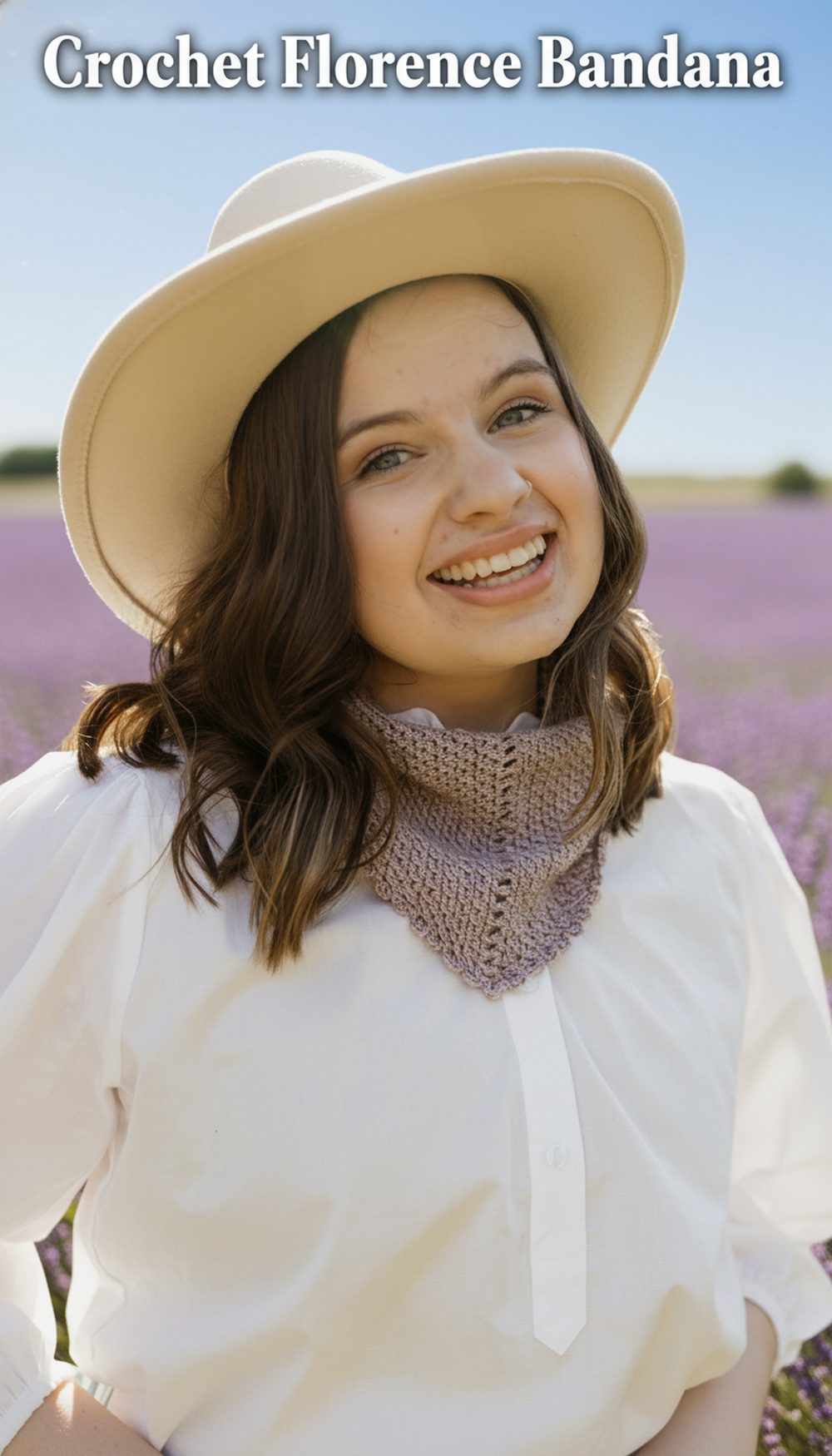
The Florence crochet bandana has a softer, more feminine look and works beautifully as either a neck scarf or a light hair accessory. It is made with fingering-weight yarn, so the drape is breezy rather than bulky, and the optional border gives it a pretty finished edge. Stitchberry lists 280 yards of fingering yarn and a 4 mm hook, with the scarf measuring about 33.5 inches before blocking and 43 inches after blocking. A smart move here is to block it well, because that opens the granite stitch and helps the shape relax. Tutorial.
Hashtags: #crochetbandana #florencebandana #crochetscarfstyle #lightweightcrochet
Supplies: Based on the tutorial materials list:
- Fingering-weight yarn, about 280 yards
- 4.0 mm crochet hook
- Tapestry needle
- Scissors
Why it’s great: This crochet bandana pattern gives you a refined scarf look with very little yarn.
Crochet Picot Texture Bandana
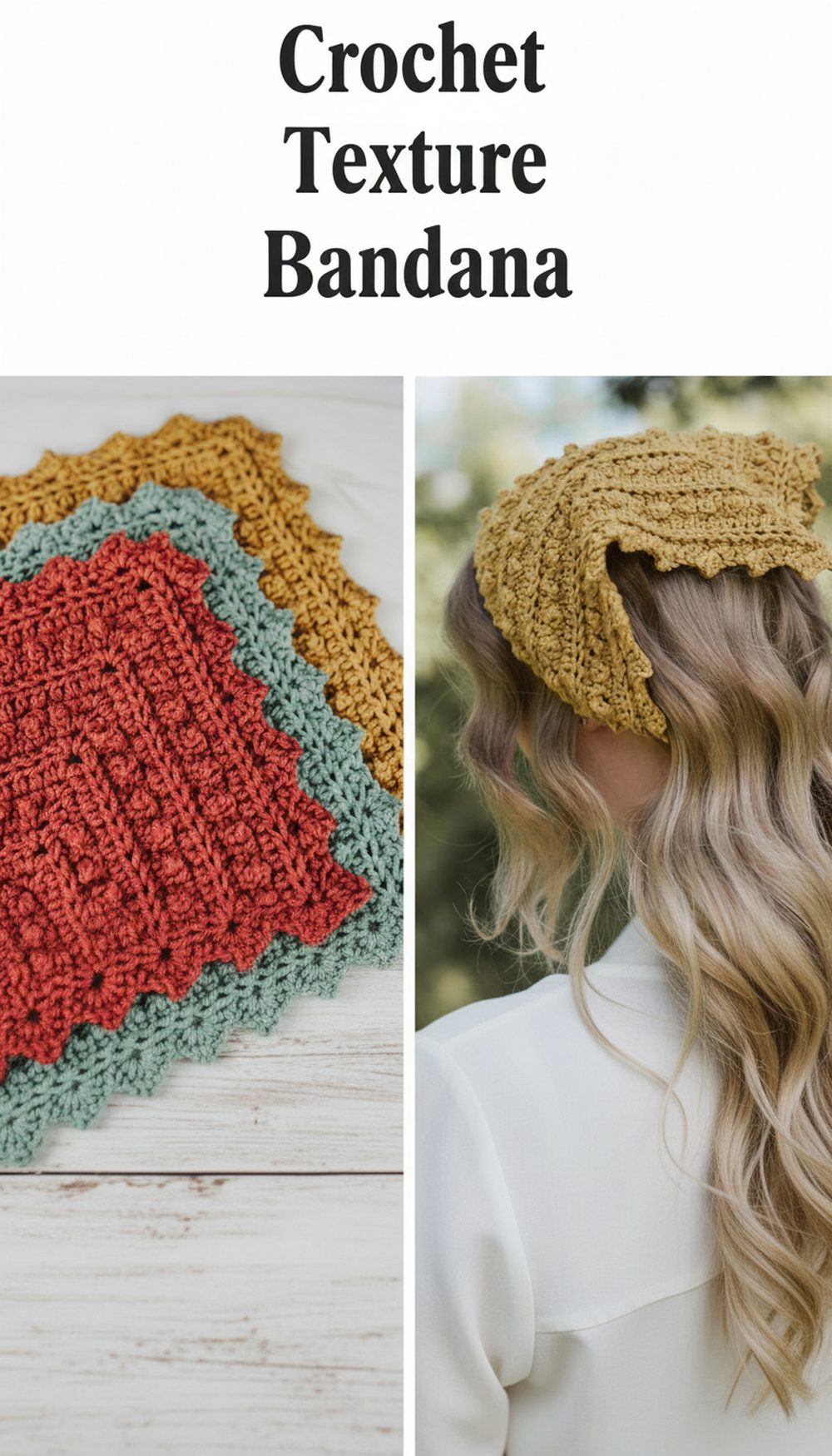
If you want more texture without making the project hard, this crochet picot bandana is a fun step up. The Turtle Trunk pattern mixes stitch textures and includes three sizes, so you can make one for different head sizes or keep crocheting repeats for a custom fit. The designer uses medium weight yarn with a 5 mm hook, and the sample colors are Bee Pollen yellow, Tourmaline teal, and Canyon red. My tip is to stick with a yarn that has good stitch definition, because the picot and edging details really show when the yarn is smooth. Tutorial.
Hashtags: #crochetbandana #picotcrochet #texturedcrochet #summercrochetaccessory
Supplies: Based on the tutorial materials list:
- Medium weight yarn
- 5.0 mm crochet hook
- Yarn needle
- Scissors
Why it’s great: This crochet bandana pattern adds standout texture while still staying accessible for an advanced beginner.
Crochet Easy Lacy Bandana
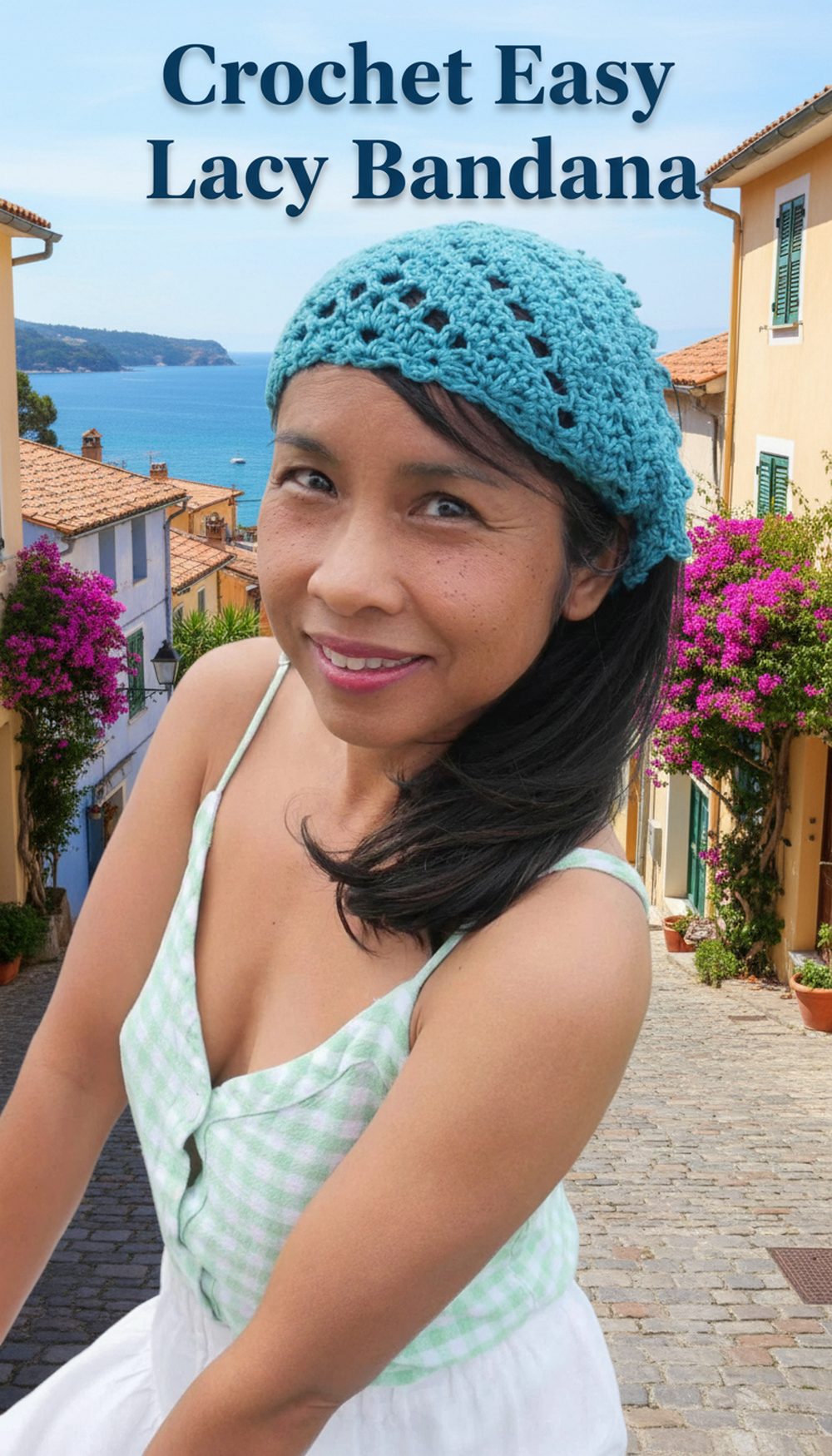
This crochet easy lacy bandana from Jenny & Teddy is great when you want something fast, light, and practical for everyday wear. It uses basic stitches, is beginner-friendly, and the example piece is about 17 inches wide by 7 inches deep, with an easy path to make it larger for most adult heads. The tutorial uses one 50 gram ball of DK cotton yarn, and the whole piece is meant to be quick enough to finish in around an hour. One good tip is to add a couple more rows before the ties if you like fuller coverage. Tutorial.
Hashtags: #crochetbandana #lacycrochetbandana #quickcrochetproject #crochethairscarf
Supplies: Based on the tutorial materials list:
- DK cotton yarn, 1 ball
- Crochet hook sized to your yarn
- Measuring tape
- Yarn needle
Why it’s great: This crochet bandana pattern is quick, light, and easy to tweak for fit.
Crochet Cottagecore Bandana
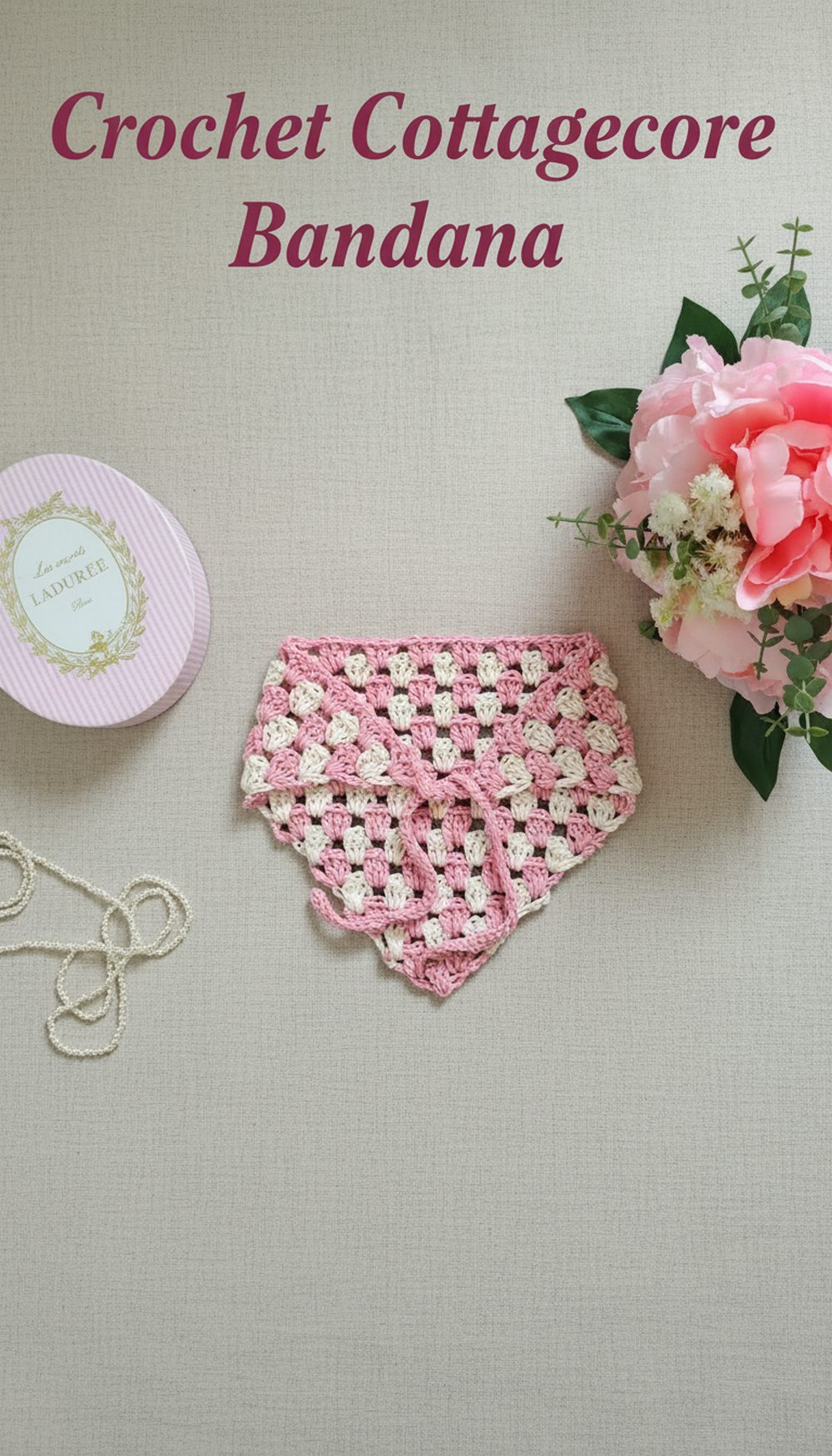
This crochet cottagecore bandana is ideal if you want a sweeter vintage look with very clear row-by-row color changes. Selina Veronique’s design uses DROPS Muskat in Desert Rose and Off White with a 4 mm hook, alternating the two shades across the rows for a soft romantic finish. The ties are worked directly from the corners, which keeps the bandana neat and coordinated. My practical tip is to weave in ends as you go here, because the alternating colors create more tails than a one-color project. The final look is especially pretty with simple blouses and summer dresses. Tutorial.
Hashtags: #crochetbandana #cottagecorecrochet #pinkandwhitecrochet #romanticcrochet
Supplies: Based on the tutorial materials list:
- DROPS Muskat in Desert Rose
- DROPS Muskat in Off White
- 4.0 mm crochet hook
- Scissors
- Tapestry needle
Why it’s great: This crochet bandana pattern gives you a soft two-tone statement piece with simple construction.
Crochet Bandkerchief Headband
Caption:
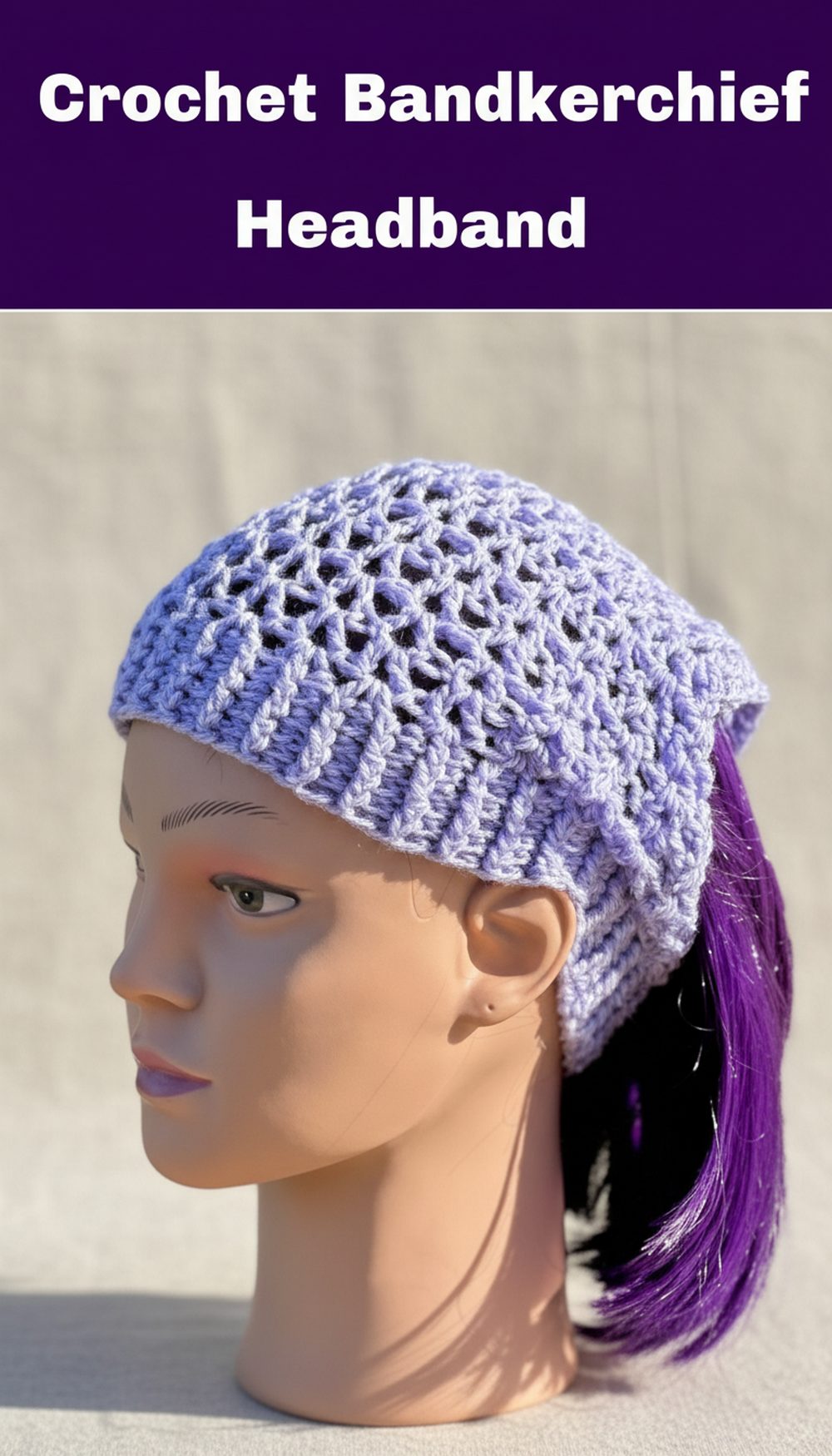
This crochet Bandkerchief is a clever hybrid if you want the look of a bandana with the easier fit of a headband. It comes in five sizes from baby through adult large, so it is especially useful if you want to make matching sets or gift versions. Stitches n Scraps redesigned the pattern in 2024 and now uses DK yarn with two hook sizes: 3.75 mm and 4 mm. The sample yarn is King Cole Cotton Top DK in Jasmine. My tip is to pay attention to the ribbing gauge first, because that part controls the fit around the head. Tutorial.
Hashtags: #crochetbandana #crochetheadband #bandkerchief #summercrochetstyle
Supplies: Based on the tutorial materials list:
- DK yarn, about 65 to 155 yards depending on size
- 3.75 mm crochet hook
- 4.0 mm crochet hook
- Yarn needle
Why it’s great: This crochet bandana pattern is one of the easiest to fit well because the stretchy band does the hard work.
Crochet Patchwork Bandana
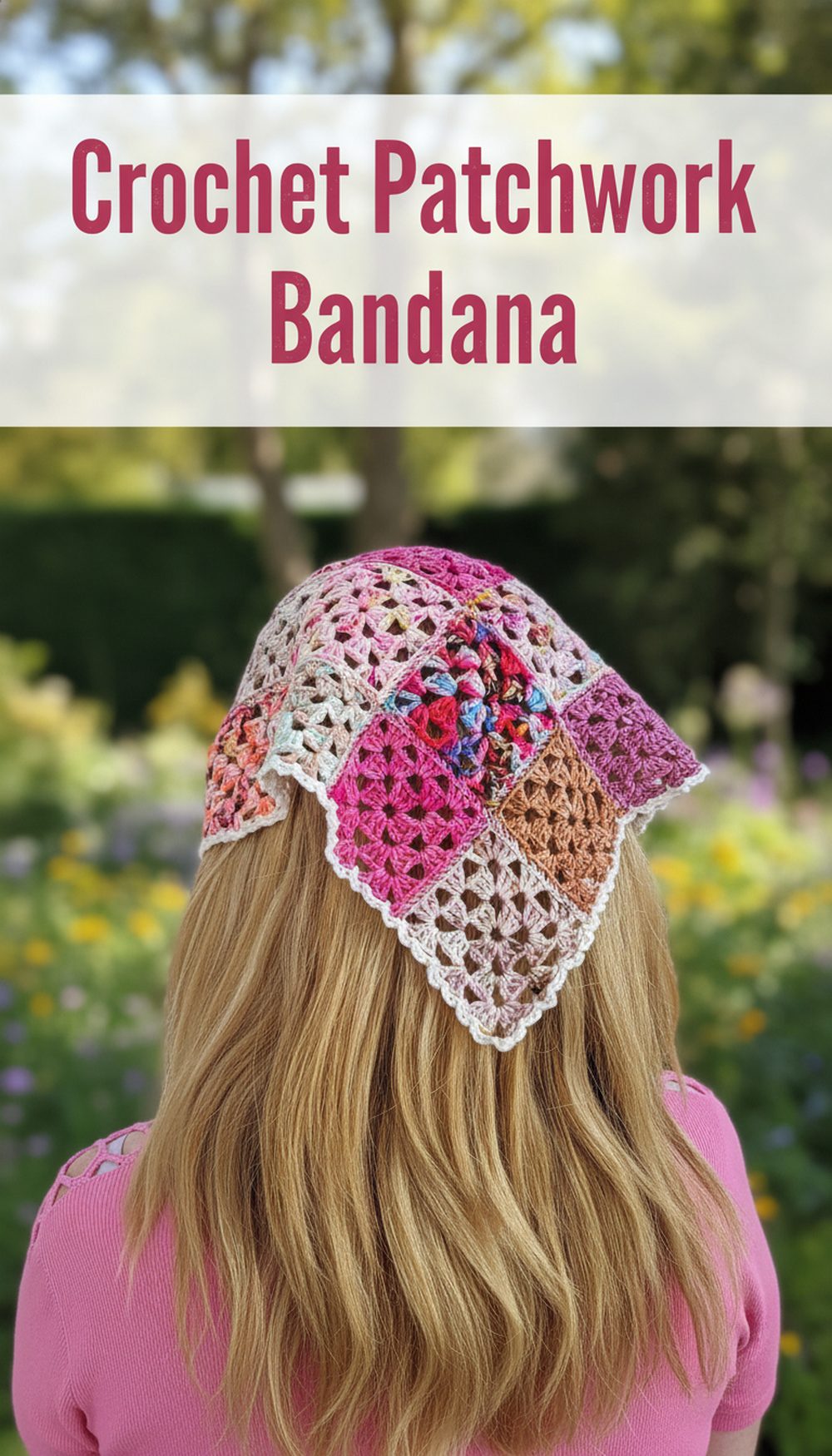
This crochet patchwork bandana is perfect for scrap lovers who want a more boho, pieced look than a standard triangle. Annie Design Crochet builds it from granny squares and triangles, using fingering-weight scraps and a 3.5 mm hook, then finishes it with neutral border yarn and ties. The sample head scarf measures about 26 inches wide and 12 inches deep after light blocking, with 10-inch ties. My best advice is to lay all your motifs out before joining so the colors feel balanced rather than random. It is a fun way to use leftovers without the project looking messy. Tutorial.
Hashtags: #crochetbandana #patchworkcrochet #grannysquarecrochet #scrapyarnproject
Supplies: Based on the tutorial materials list:
- Fingering-weight yarn scraps
- Small amount of neutral yarn for border and ties
- 3.5 mm crochet hook
- Yarn needle
- Scissors
Why it’s great: This crochet bandana pattern turns tiny leftovers into a standout accessory.
Crochet Color Me Happy Kerchief
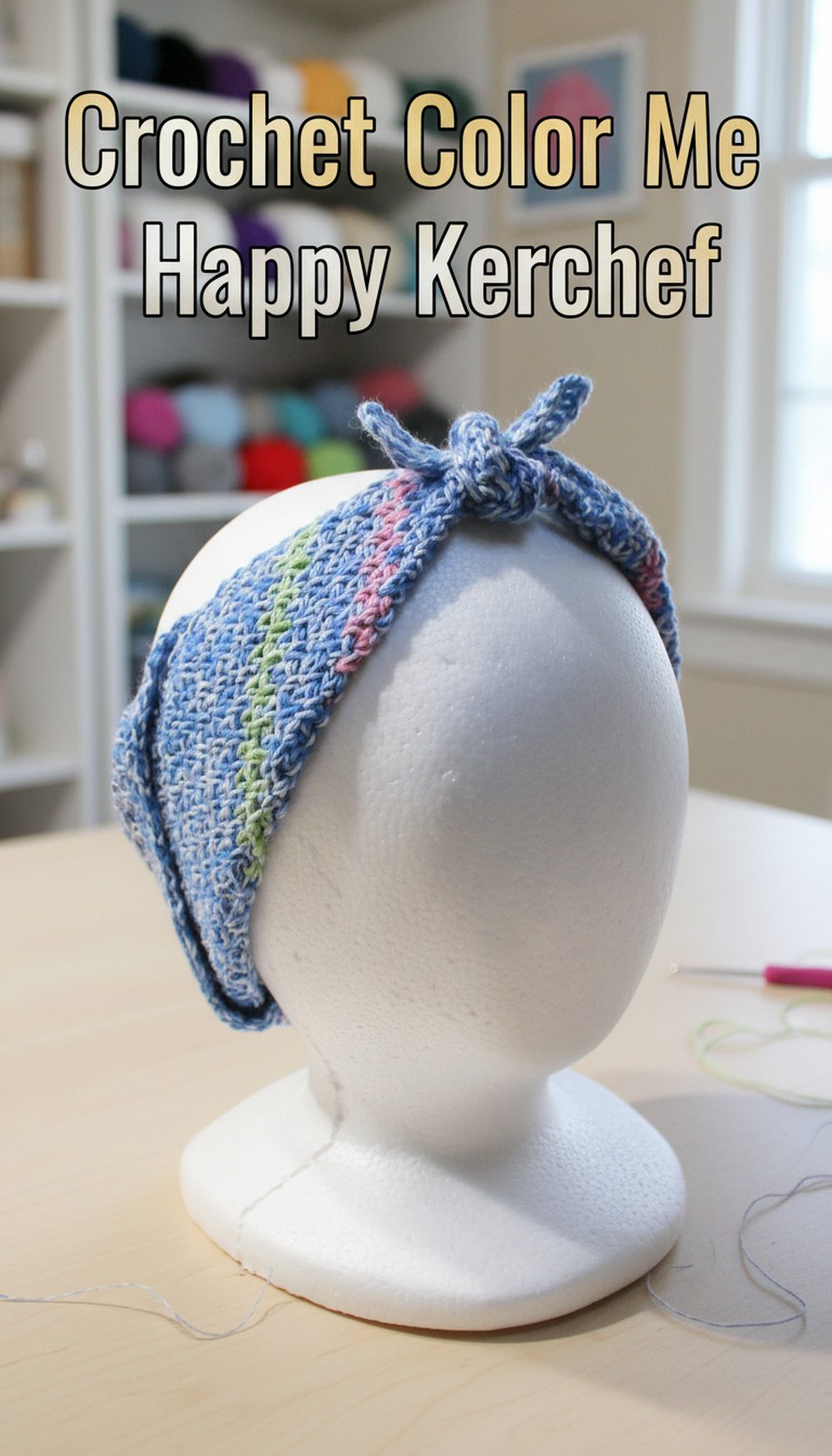
This crochet kerchief is a cheerful option if you want color without a complicated stitch pattern. Jessie At Home uses linen stitch and a super-fine cotton yarn, with the sample made in light blue plus slim stripes in green, pink, and purple. The hook size is 4 mm, and the pattern is deliberately flexible so you can keep adding rows until it fits the way you like. A useful tip here is to keep your tension relaxed, because linen stitch can feel stiff if you crochet too tightly. It is a nice choice for stash play, travel crochet, or gift making. Tutorial.
Hashtags: #crochetbandana #crochetkerchief #linenstitchcrochet #colorfulcrochet
Supplies: Based on the tutorial materials list:
- Super-fine cotton yarn
- Small contrast colors for stripes
- 4.0 mm crochet hook
- Yarn needle
Why it’s great: This crochet bandana pattern is easy to memorize and looks especially good in playful color changes.
Conclusion
A crochet bandana is one of the easiest ways to get a satisfying finish from a small amount of yarn. Start with the simplest shape or the yarn you already own, and let that choose the project for you. Save a few favorites now, because once you make one crochet bandana, it is very easy to want another in a different style.
FAQs
What yarn works best for a crochet bandana?
Cotton and cotton blends are usually the safest choice because they breathe well, hold shape nicely, and feel comfortable against the head. Fingering, DK, and light worsted all work well depending on how airy or structured you want the bandana to feel.
Can I machine wash a crochet bandana?
Often yes, but it depends on the fiber. Cotton and many acrylic blends can usually be machine washed on gentle. Hand-dyed wool, linen blends, or delicate fibers are better hand washed. Dry flat when possible so the triangle keeps its shape.
How do I scale a crochet bandana pattern up or down?
For triangle styles, just add or remove rows before making the ties. For motif or patchwork styles, add more motifs or use slightly heavier yarn. For fitted headband styles, check the head circumference and match the band length first.
What fibers are best for hot weather?
Cotton, bamboo blends, linen blends, and lightweight plant fibers are the most comfortable in warm weather. They stay cooler and absorb moisture better than bulky acrylics or wool.
How do I make a crochet bandana more durable?
Use firm but not stiff tension, weave in ends securely, and block lightly after finishing. For daily wear, a simple border or tidy edging helps the bandana hold its shape better and keeps the edges from stretching unevenly.
How much yarn does a crochet bandana usually take?
Most crochet bandanas use surprisingly little yarn. Many take one skein or less, often somewhere around 100 to 300 yards depending on yarn weight, stitch pattern, and whether the project is a small hair scarf or a larger neckerchief.
Why does my crochet bandana curl or wave?
Curling often comes from tight tension or a stitch pattern that needs blocking. Wavy edges usually mean too many stitches or a loose border. Try checking your stitch count every row and block the finished piece before judging the shape.
How can I photograph a crochet bandana well?
Use indirect daylight, a clean background, and close angles that show the stitch texture. Flat lays work well for shape, while mannequin or worn shots show drape and fit. Keep props simple so the crochet stays the focus.


